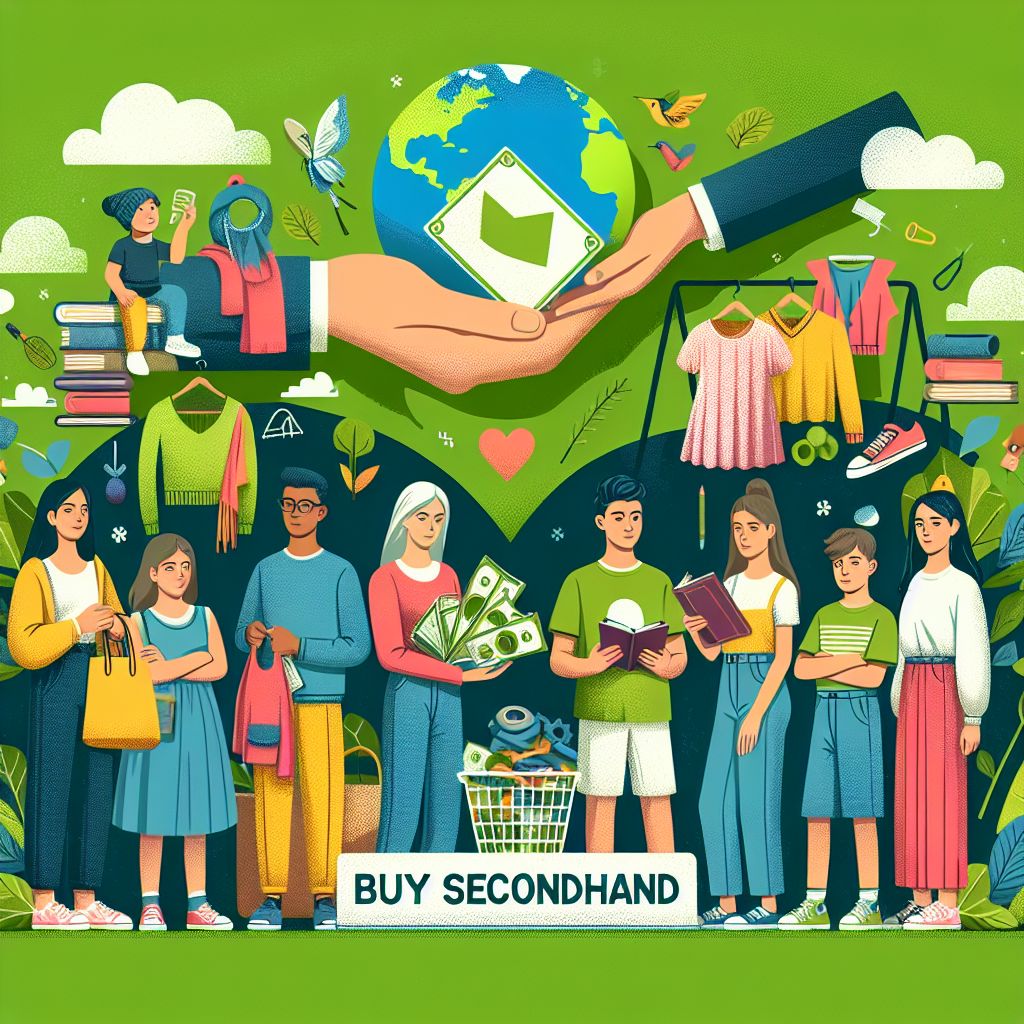
Why Buying Secondhand is a Win-Win for the Environment and Younger Generations
In an era where sustainability is not just a choice but a necessity, buying secondhand emerges as a shining solution. Millennials, Gen Z, and the upcoming Gen Alpha are increasingly prioritizing reuse, understanding that their choices have a direct impact on the planet. But why exactly is buying secondhand so beneficial for the environment, and how does it resonate with these environmentally conscious generations?
The Environmental Impact of Secondhand Buying
When you buy a secondhand item, you're essentially extending its life, reducing the need for new production. This has several environmental benefits:
- Lower Carbon Footprint Manufacturing new products requires energy, often from fossil fuels. By choosing secondhand, you're cutting down on the energy used and the associated carbon emissions.
- Waste Reduction Millions of tons of clothing and goods end up in landfills each year. Buying secondhand keeps these items in circulation and out of landfills.
- Resource Conservation Producing new items also requires water, raw materials, and other resources. Reusing items lessens the strain on these resources.
Aligning with Millennial, Gen Z, and Gen Alpha Values
For younger generations, who are more environmentally aware, buying secondhand is not just about being trendy – it's about responsibility. They recognize the power of collective action in addressing environmental issues. Reusing and repurposing items align perfectly with their desire to live in a more sustainable, less wasteful world.

We only use essential cookies, with no marketing or other third-party tracking. See our Privacy Policy.